

This is where we display a history of artwork we have created and sold or gifted
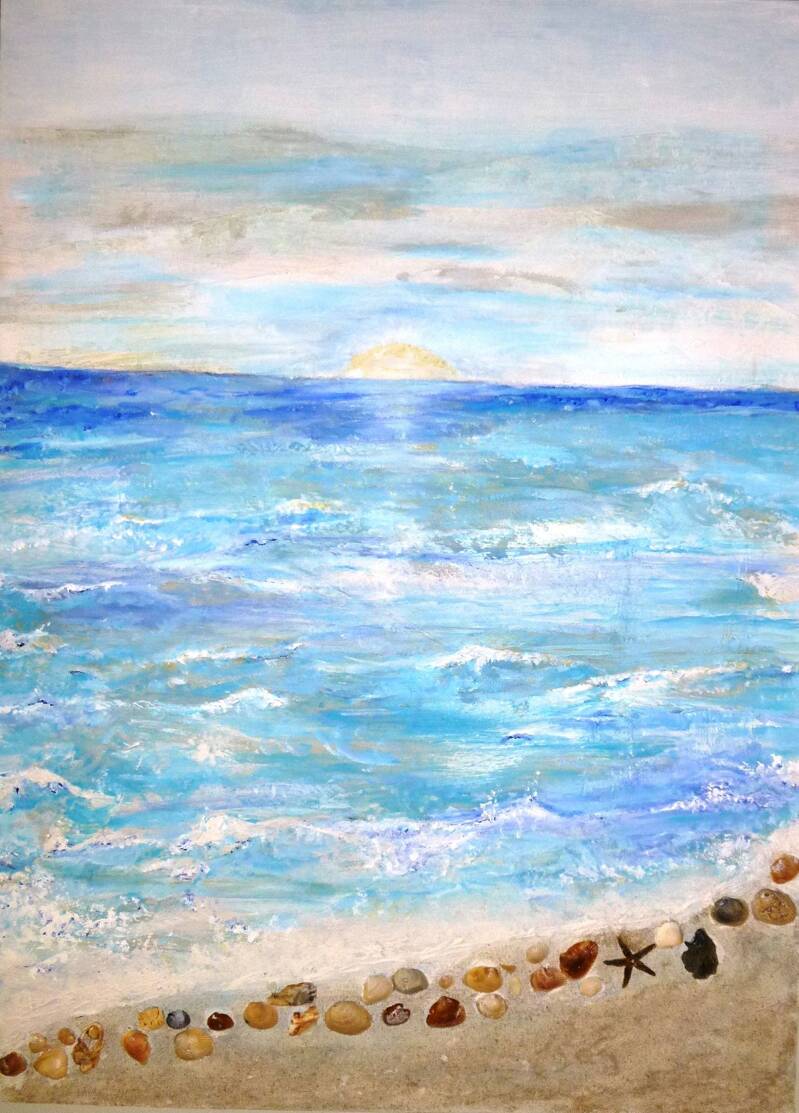
Sunset on the Beach by Virginia
3-D effect with real & and seashells

Lonesome Gull by Virginia

Beached Rowboat by Charles
3-D effect with real sand & seashells

Lights of Lightner (St. Augustine) by Virginia
Displayed in the STAA Fantastic Florida exhibit

Surf 'n' Sunset by Virginia
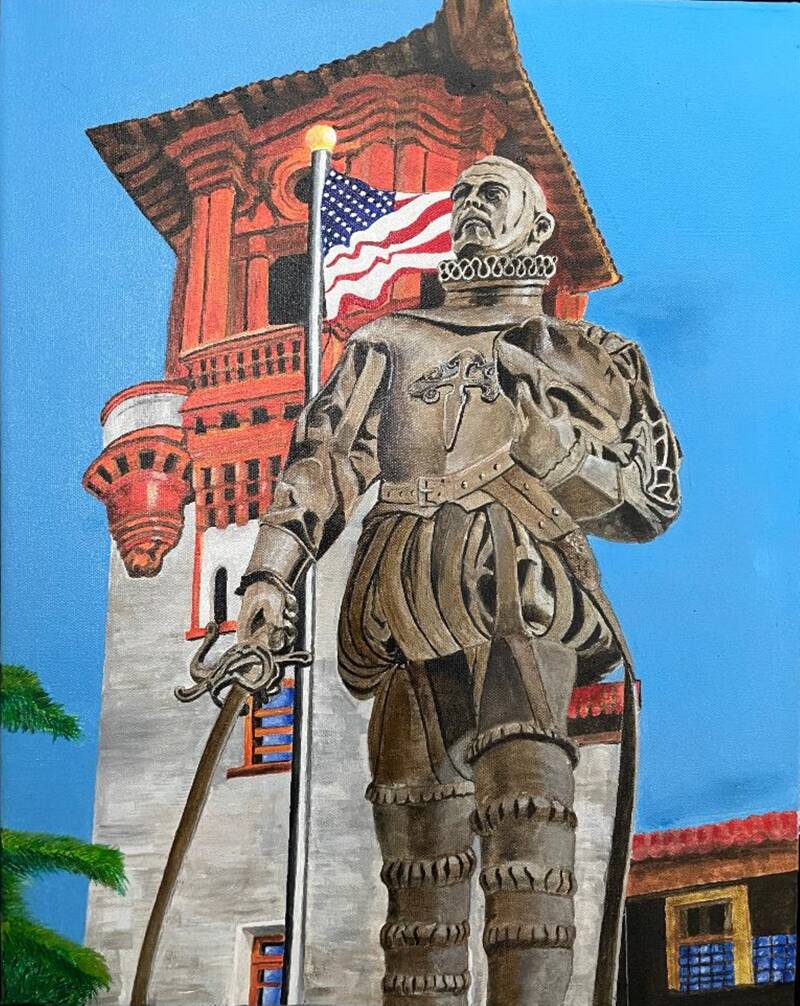
Menéndez @ Lightner (St. Augustine) by Charles
Displayed in the STAAA History Through the Lens of the Artist exhibit
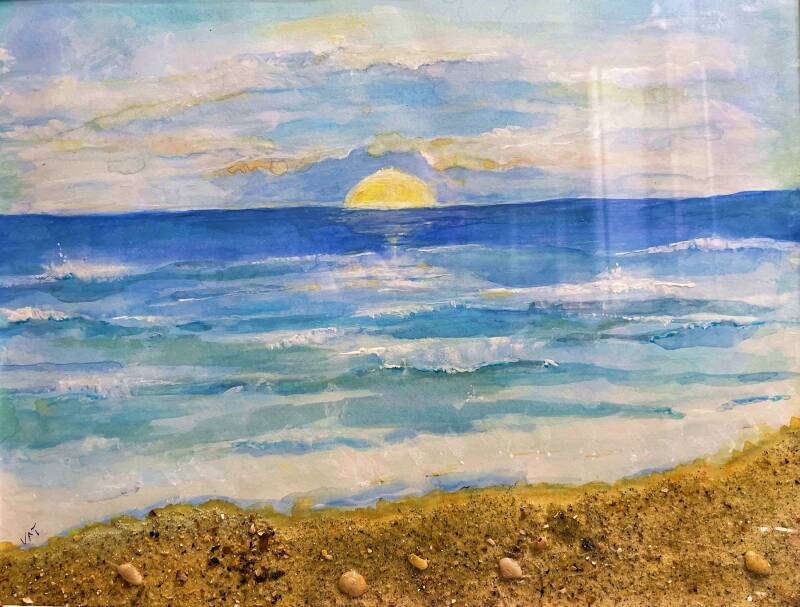
Sunrise on the Beach by Virginia
3-D effect with real sand & seashells
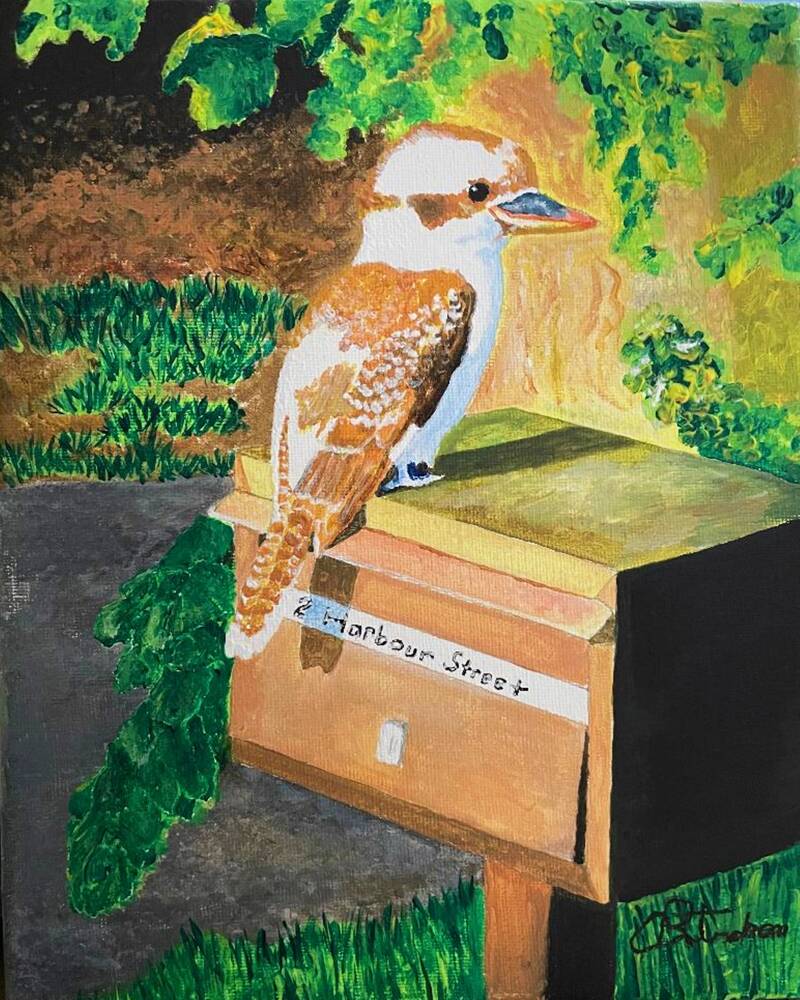
Mike's Kookaburra by Charles
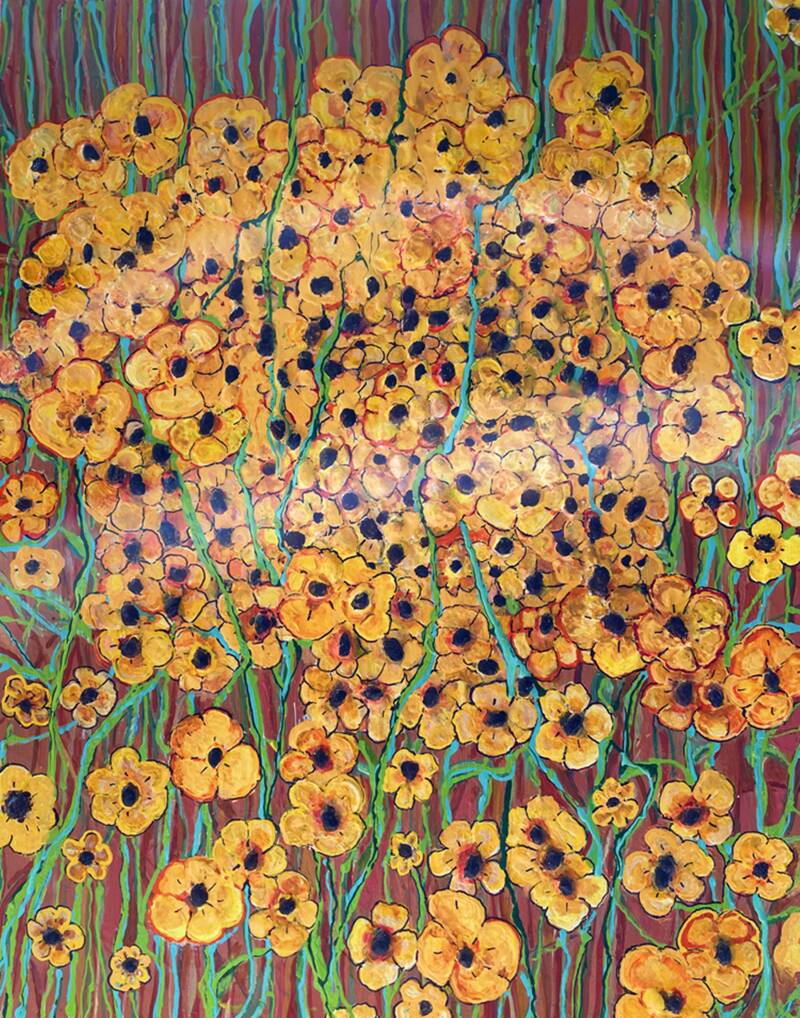
Blackjack Susans by Virginia
Heavily textured

Sandhills at Sunset by Virginia
Displayed in the STAAA Fantastic Florida exhibit
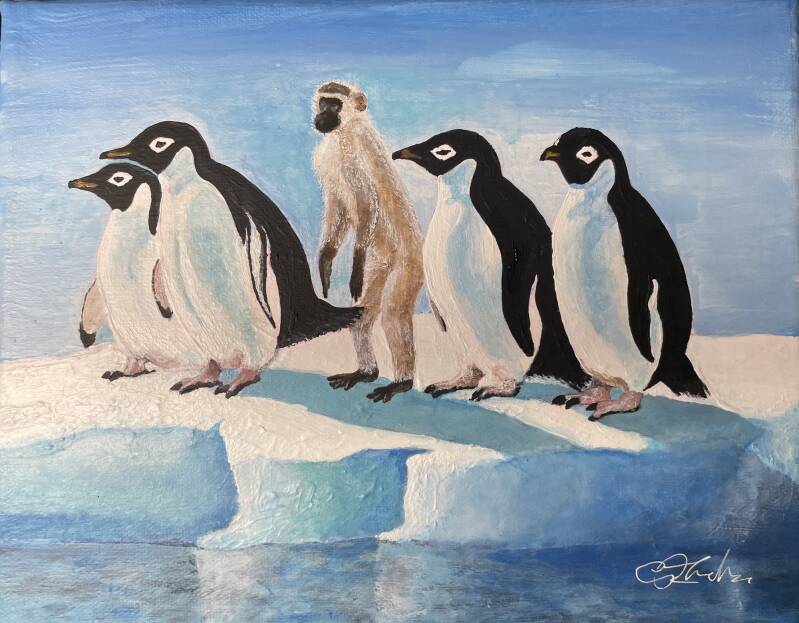
Monkey on Ice Flow by Charles
Displayed in the STAA Out of Place exhibit

One in the Crowd by Virginia watercolor
Displayed in the STAA Out of Place exhibit

47th by Virginia

Lincoln and Fido by Charles
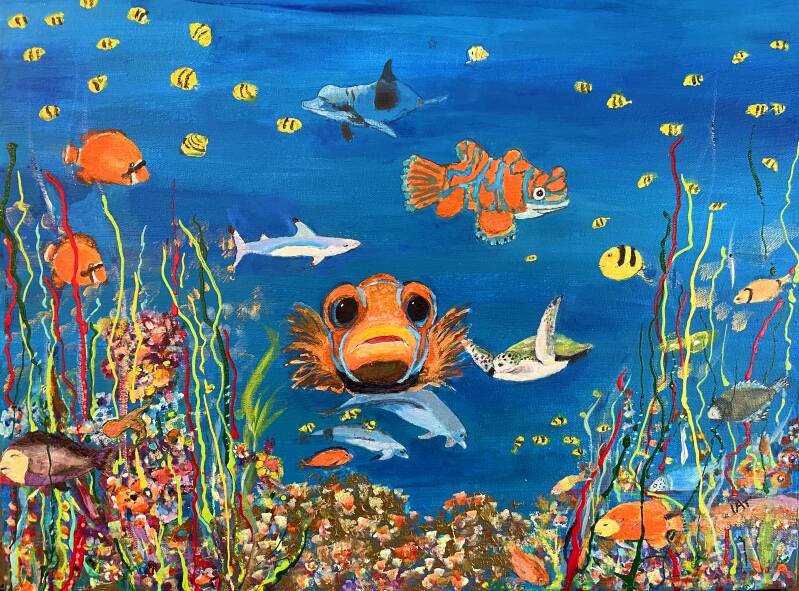
Undersea Sentry by Virginia
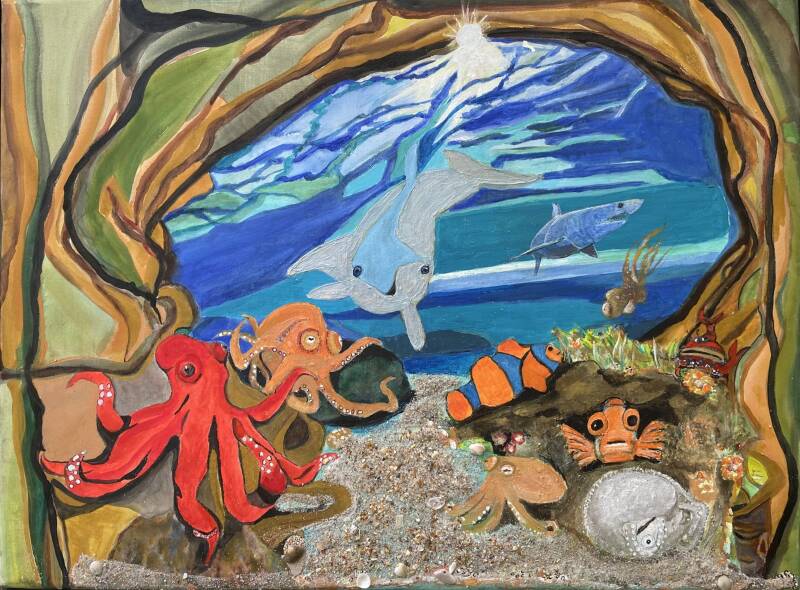
Octopus's Garden in a Cave by Virginia 24x18 acrylic
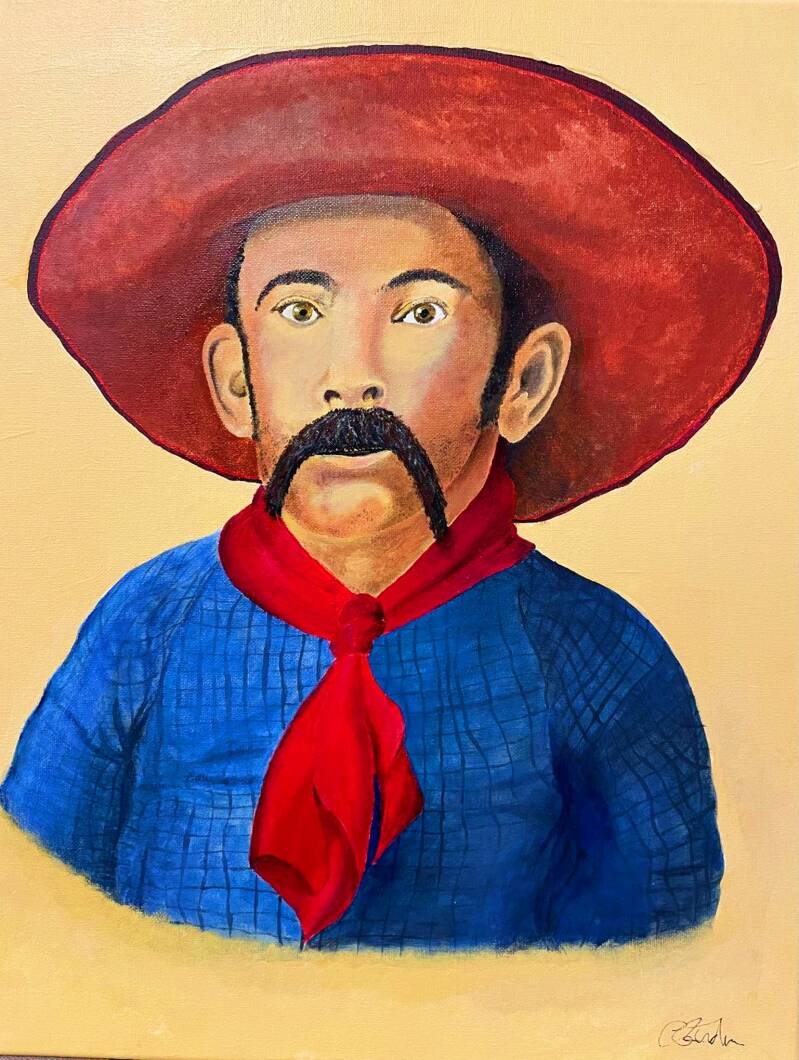
El Vaquero by Charles
Displayed at the STAA Faces and Figures exhibit

Aviles Street (St. Augustine) by Virginia
Aviles Street is the oldest street in the United States—confirmed by archaeologists who uncovered pottery shards dating back to the early 1600s beneath its layered brick paving. While its roots are charmingly historic, the street’s creative soul keeps it feeling fresh. In the 1930s, Aviles became the city’s first formal arts district, when the old Hamblin Hardware warehouse at 11 Aviles Street was transformed into a studio and gallery space

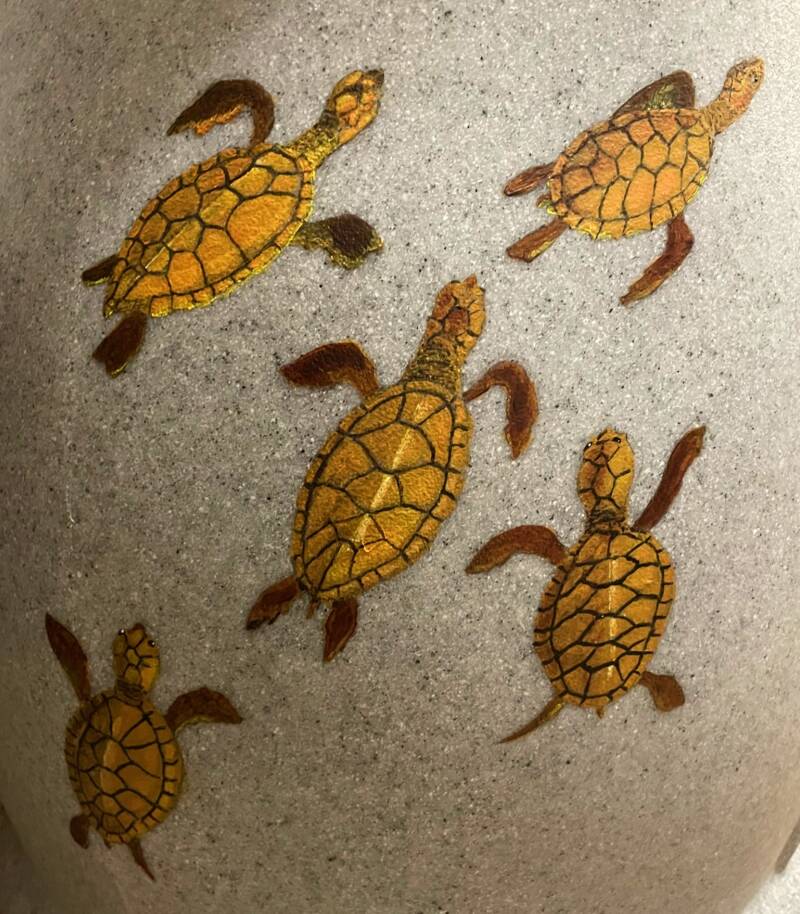
Sea turtles (painted on rain barrel) by Charles
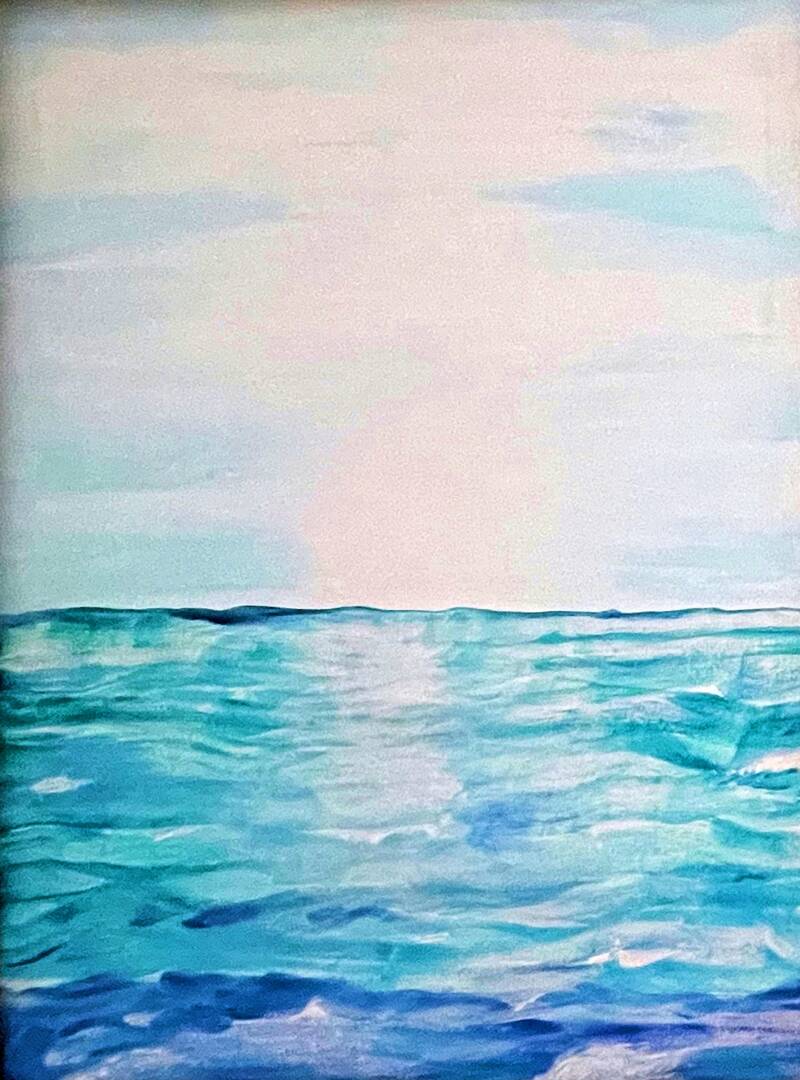
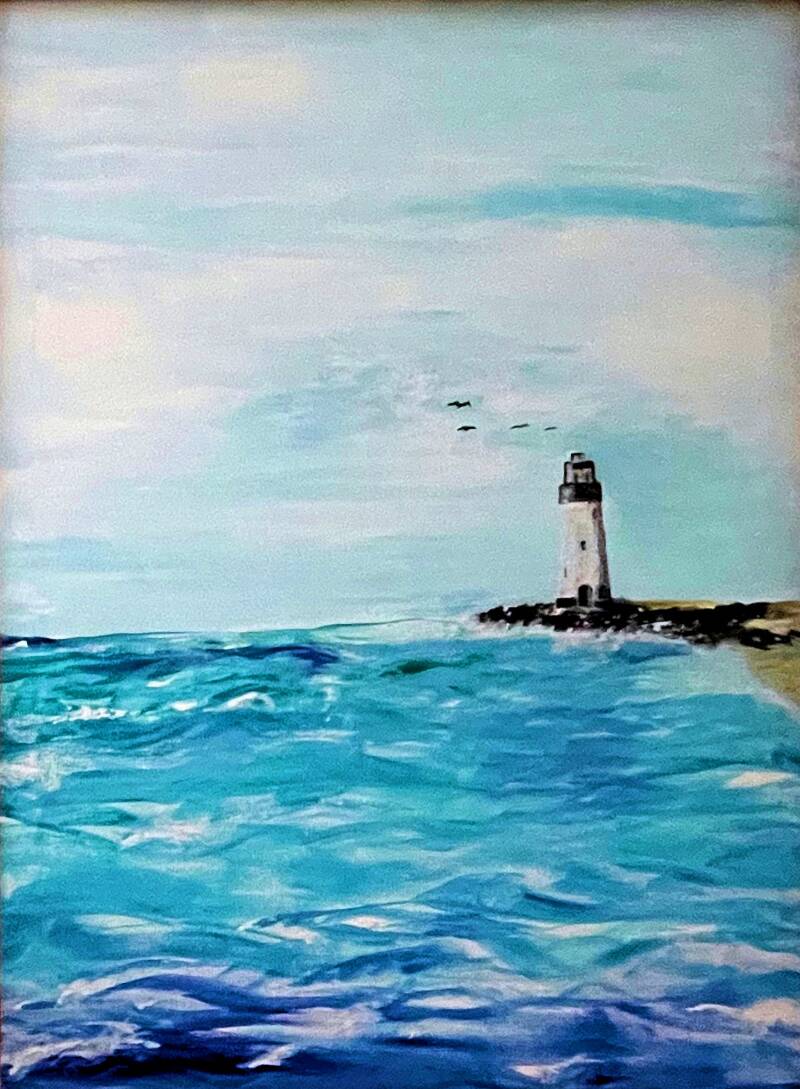
Lighthouse and Rough Seas collaborative effort by Charles and Virginia circa 2015
diptych set

Sandhill Crane Family by Charles

Colorful Fish by Virginia
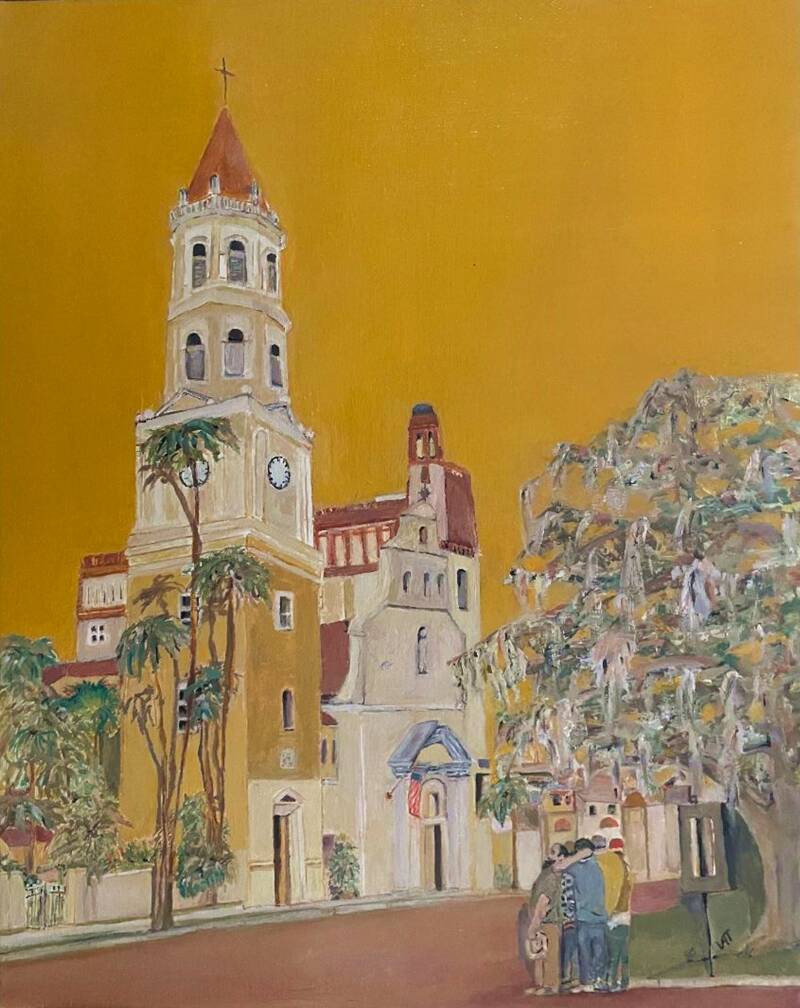
Cathedral (Saint Augustine) by Virginia oil
Displayed in STAAA Spring Members Show
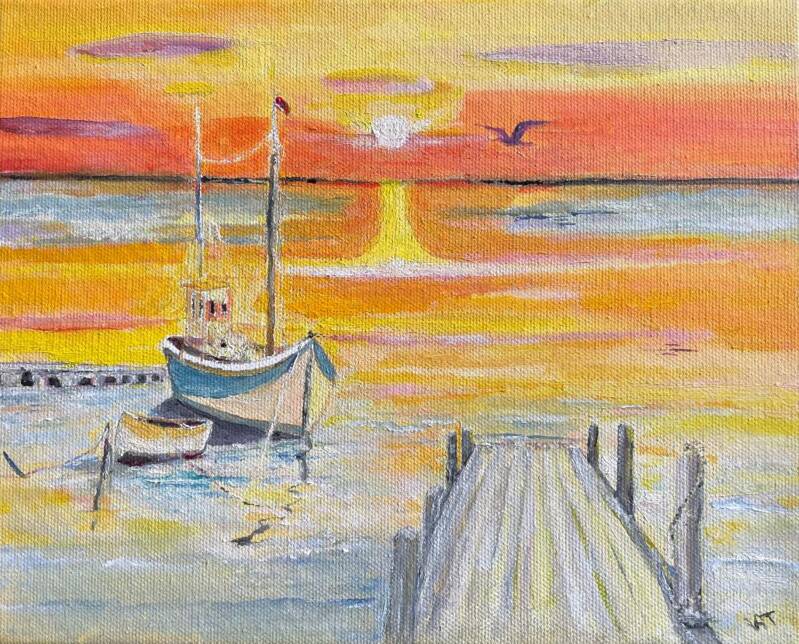
Dock at Dawn by Virginia A. Trahan 10x8 oil

Spider Boy by Virginia A. Trahan 20x25 oil
Displayed in STAAA Faces and Figures exhibit

Saint Augustine Cathedral circa 1900 by Virginia16x20 oil
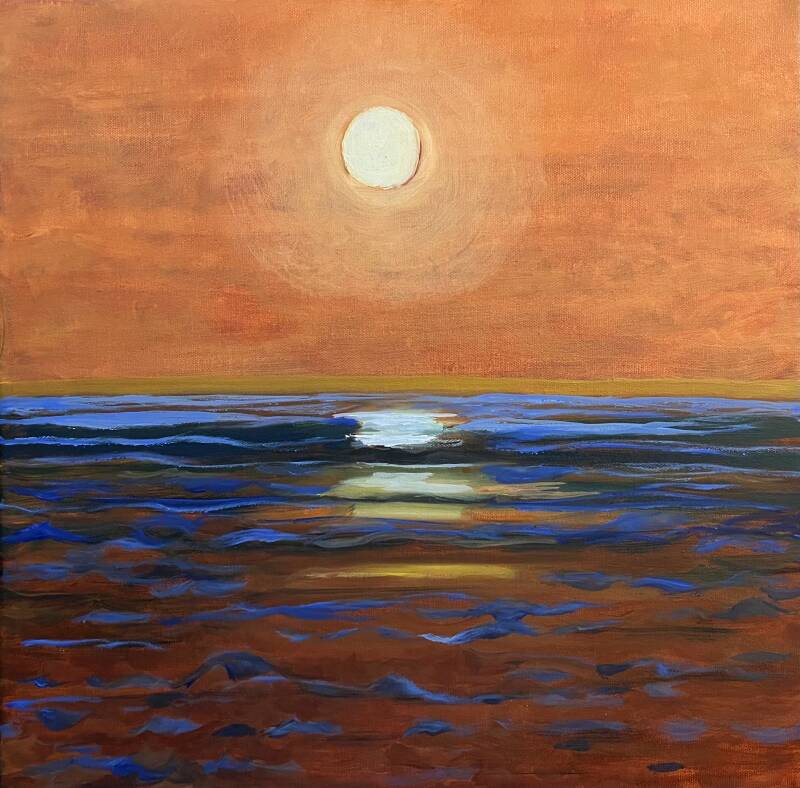
Dusk by Virginia 18x18 oil
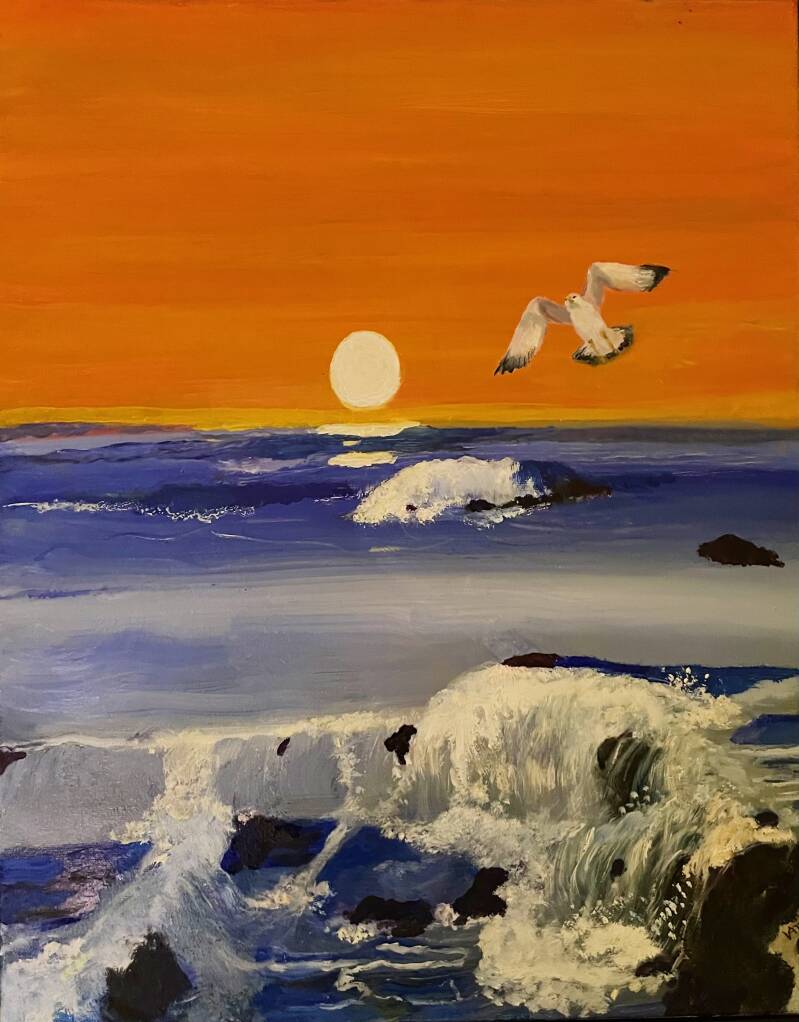
Rocky Shore by Virginia 16x20 oil

A Smack of Jellyfish by Charles watercolor
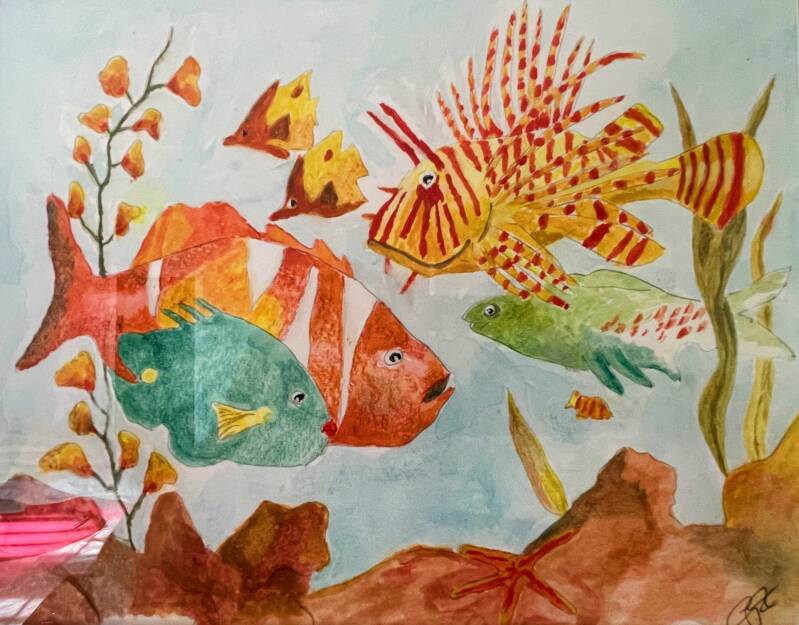
Aquarium by Charles watercolor
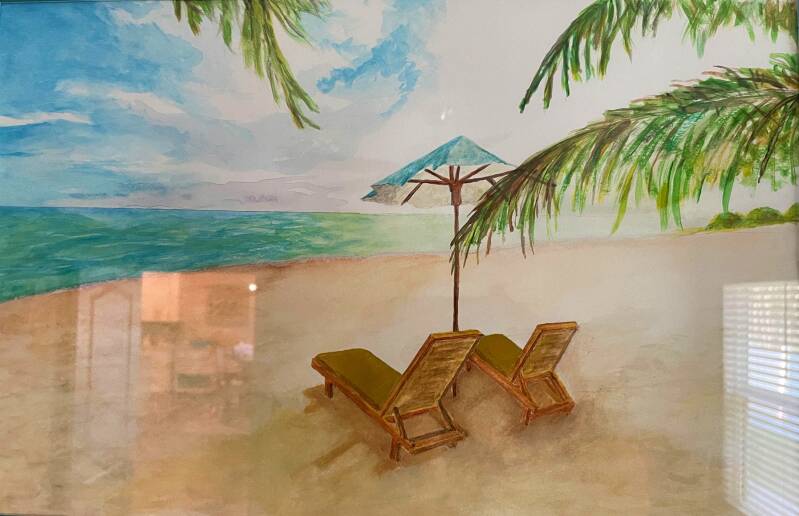
Beach Chairs by Charles watercolor
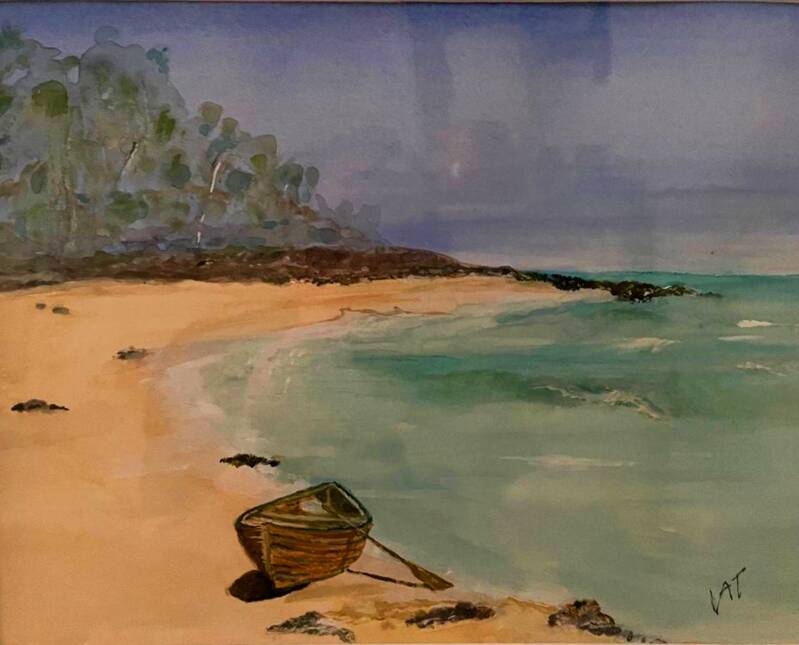
Beached Rowboat by Virginia 13x10 watercolor
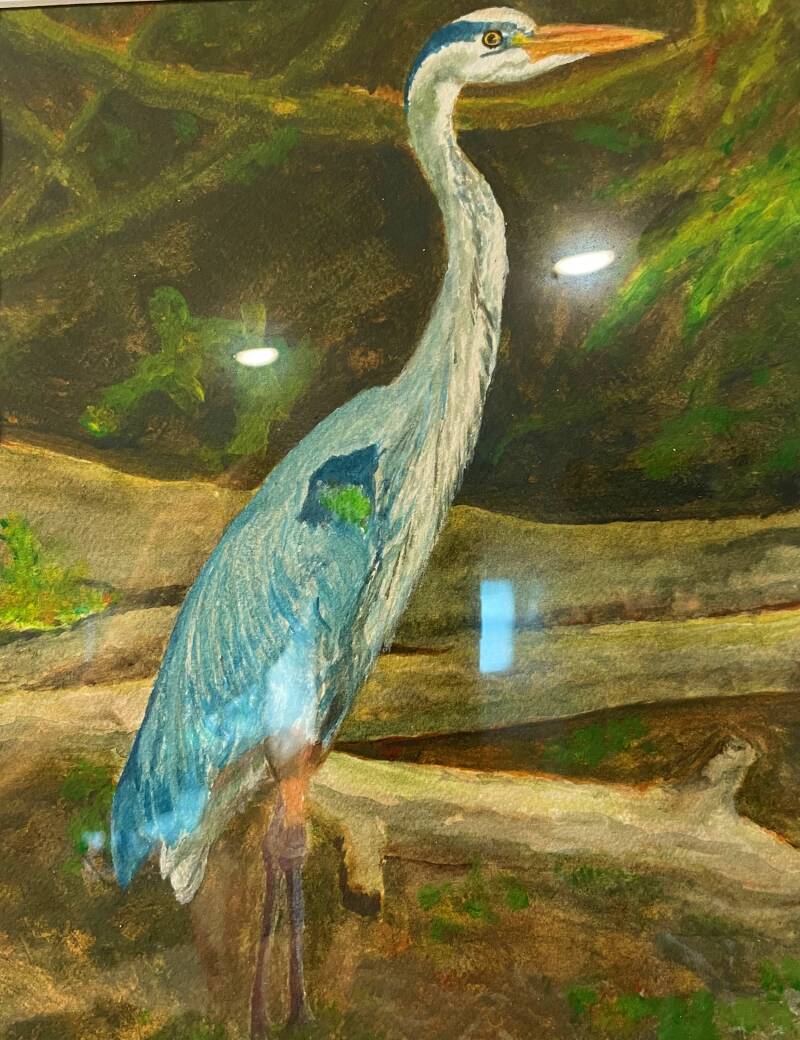
Blue Heron by Charles watercolor

Blue Marsh Bird by Virginia watercolor

Diver's Delight by Charles watercolor
Displayed in STAAA Fantastic Florida

Fishing Shack by Virginia watercolor
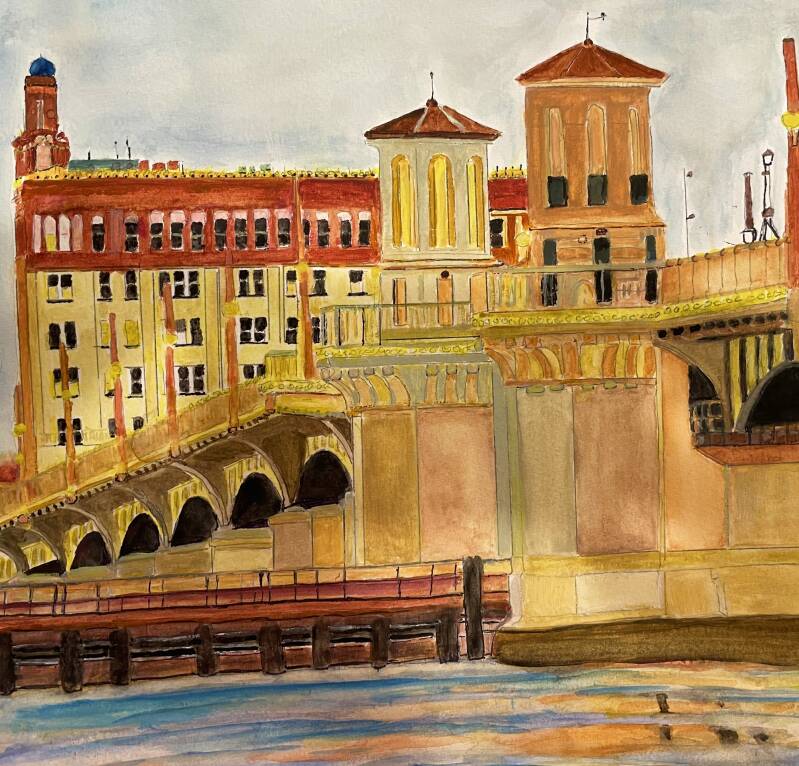
Bridge of Lions (Saint Augustine) by Virginia watercolor
Displayed in STAAA Here and There exhibit

Era Beach Overlook (NSW Australia) by Charles watercolor
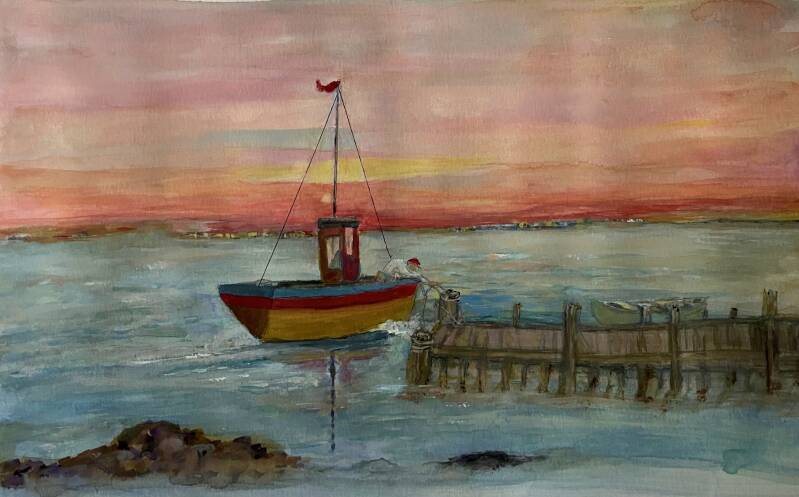
Dock at Dusk by Virginia watercolor
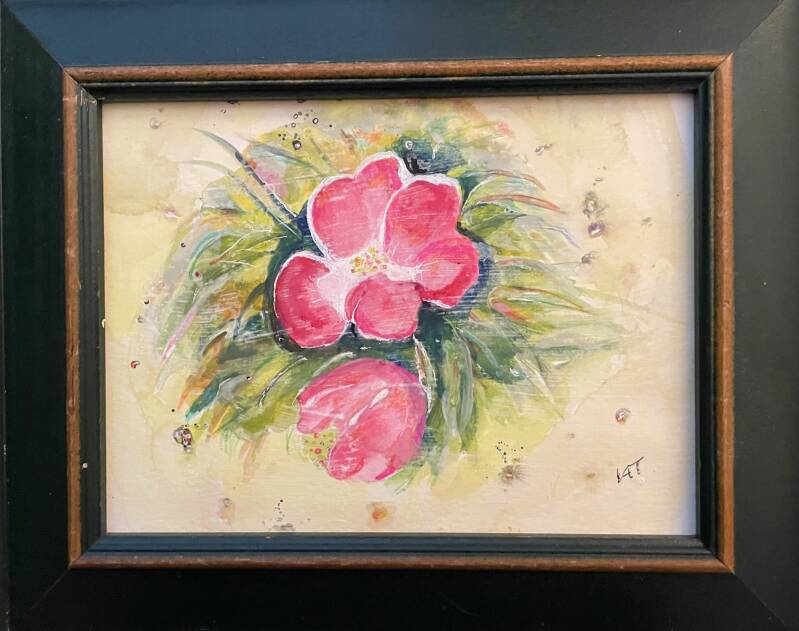
Flora by Virginia watercolor

Florida Twosome by Charles watercolor
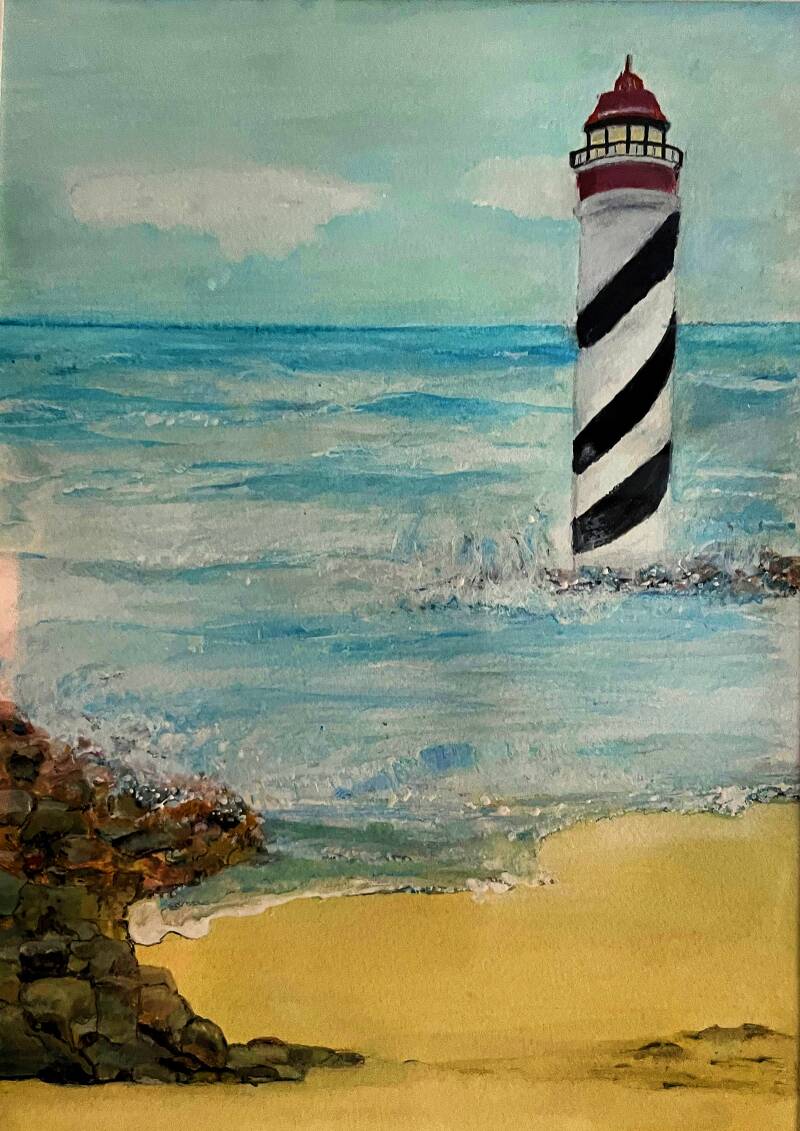
Lighthouse by Virginia watercolor

Florida Morning by Virginia watercolor
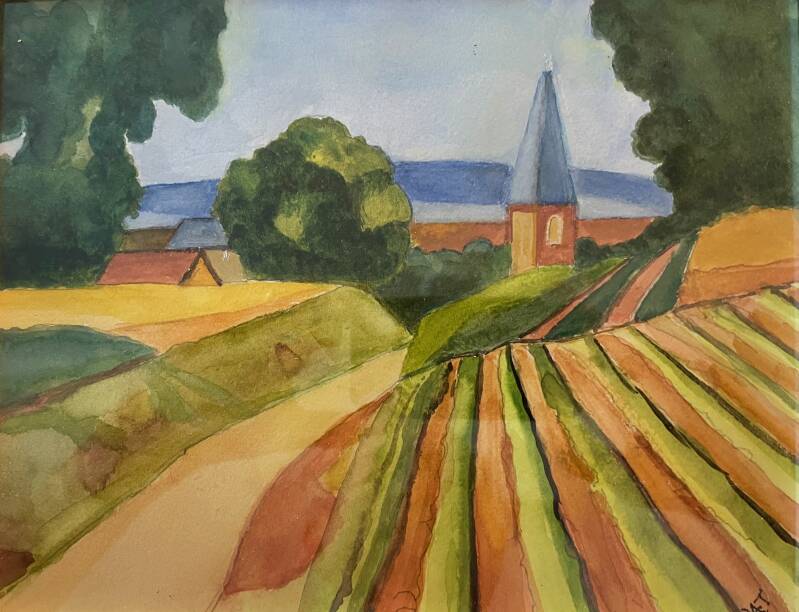
Furrows by Virginia watercolor

Green Sea Turtle by Charles watercolor

Hometown Marina by Virginia watercolor
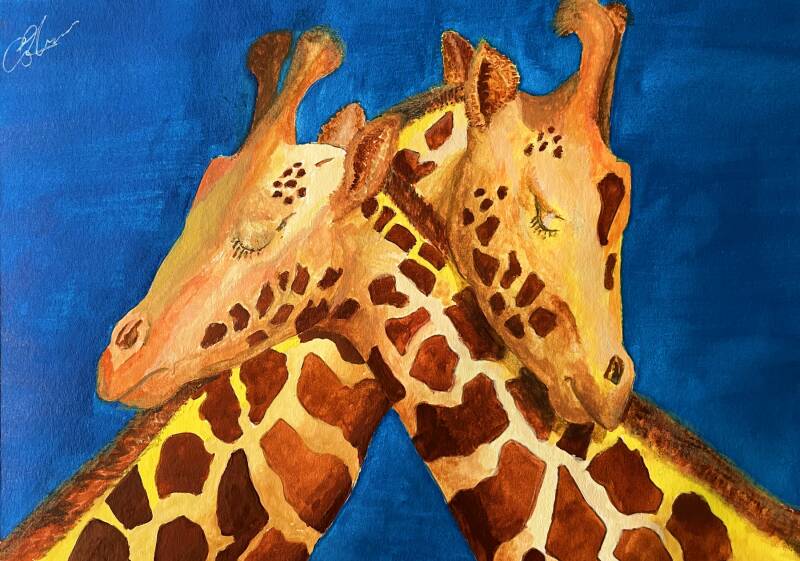
Necking Giraffes by Charles watercolor

Louie and Sharkey by Virginia
In Loving Memory

Pelicans on a Pier by Virginia watercolor

My Friend, Me and the Sea by Virginia watercolor
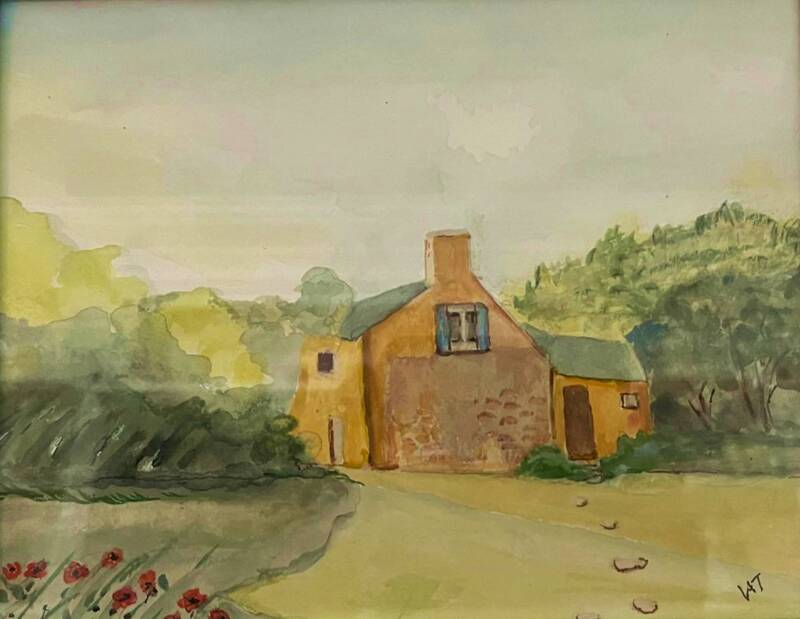
One Spring Morning by Virginia watercolor
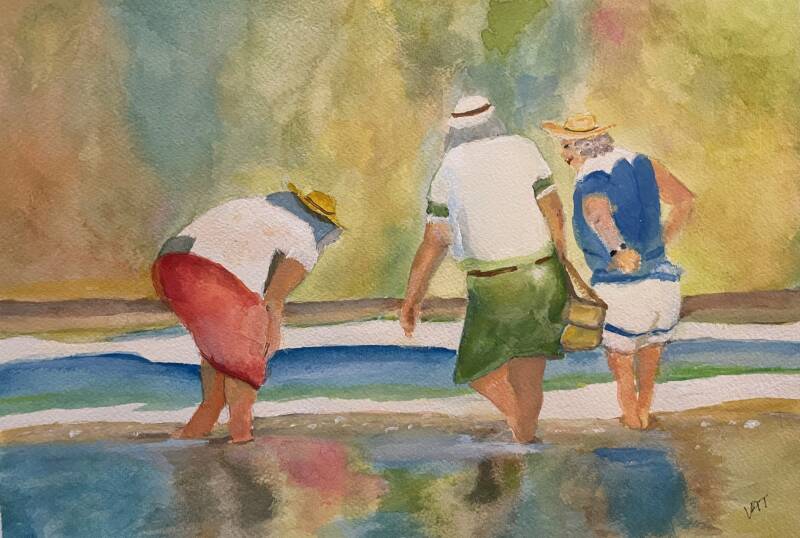
Shelling by Virgini watercolor
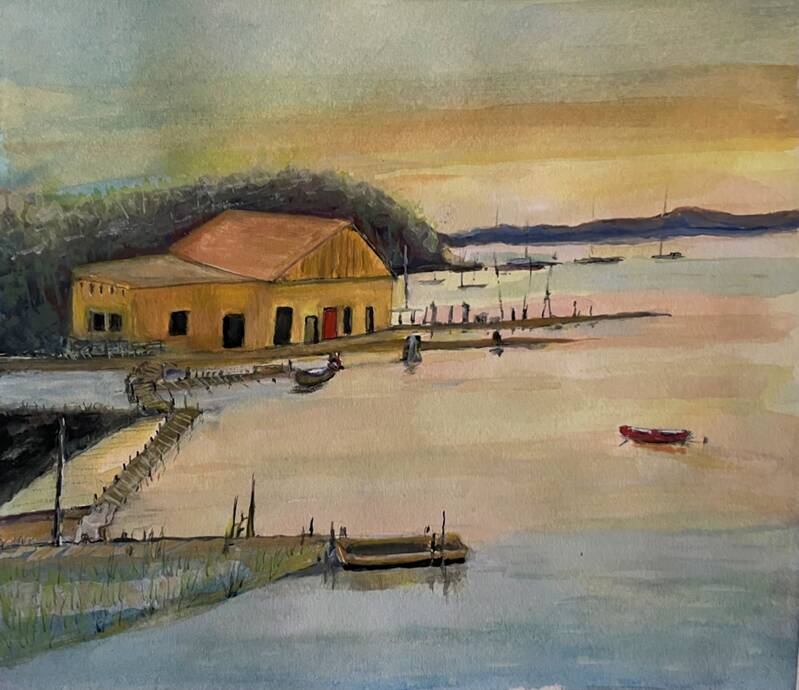
Old Marina by Virginia 12x12 watercolor
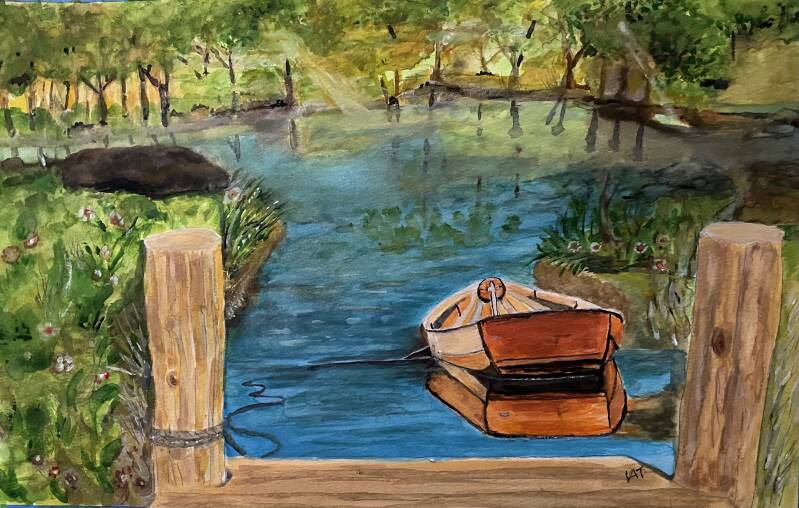
Peaceful Dock by Virginia watercolor
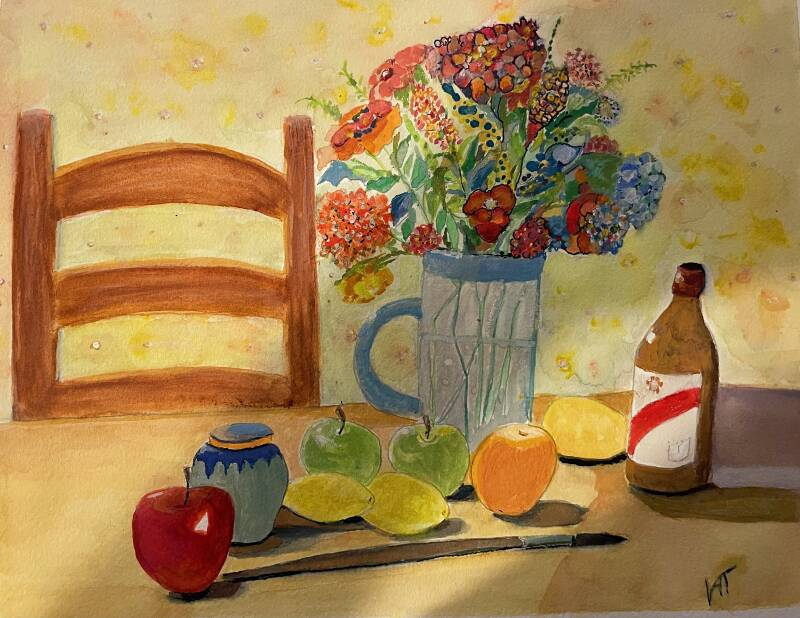
Jamaican Breakfast by Virginia watercolor
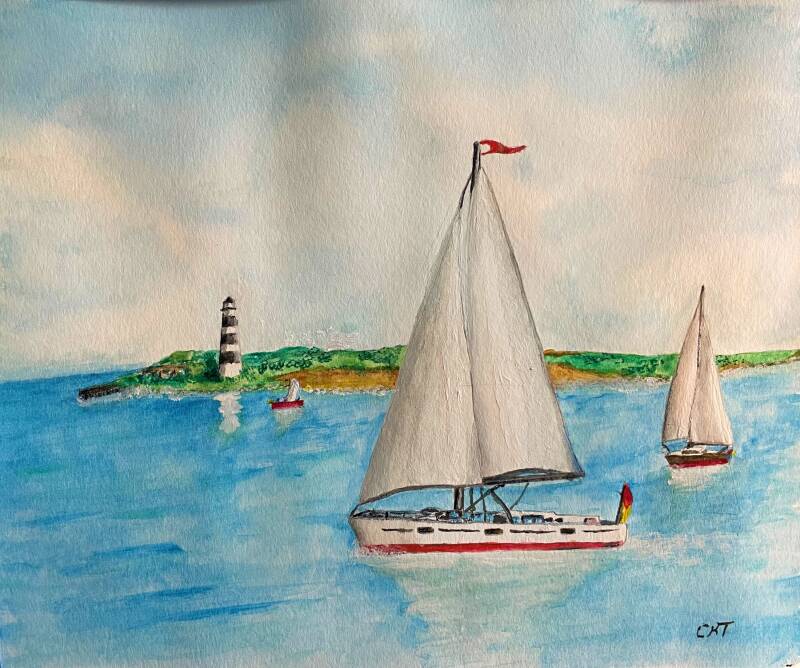
Sailboat by Charles watercolor
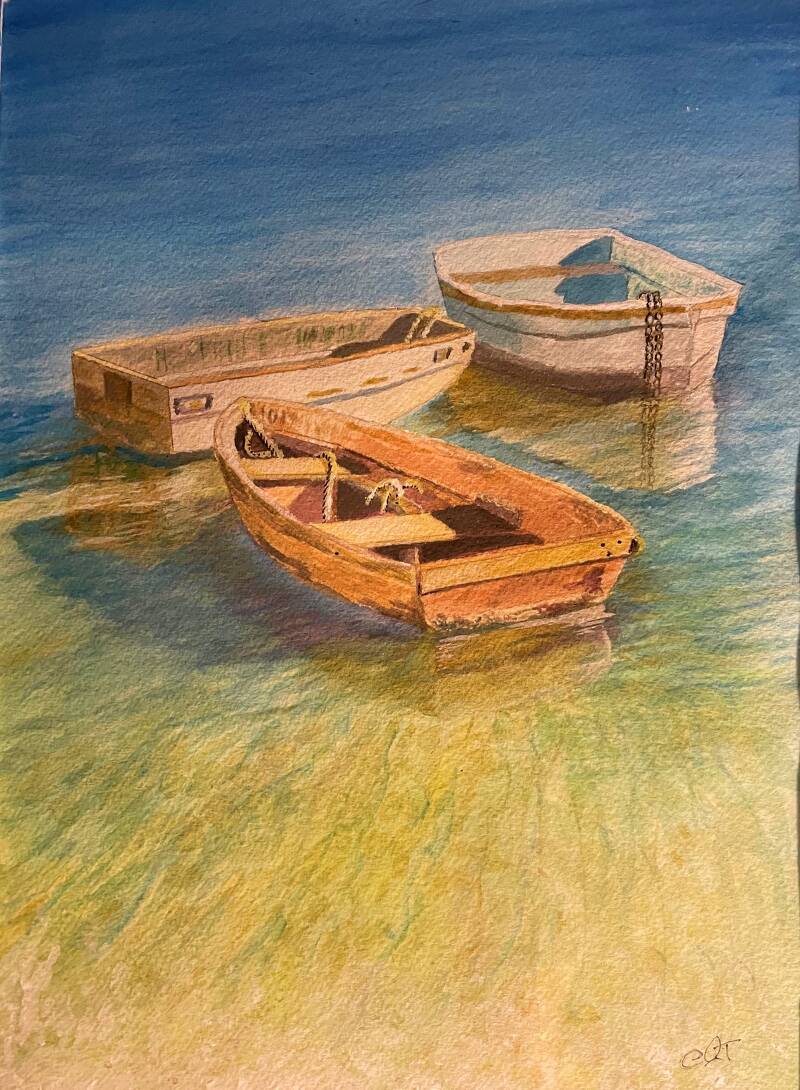
Rowboats in Shallows by Charles
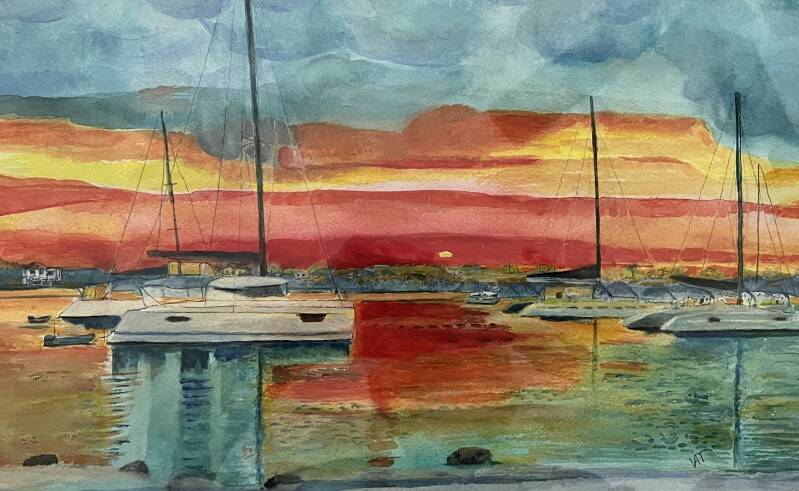
Saint Augustine Marina by Virginia watercolor

Marti Gras Turtle by Virginia watercolor

Woman on Beach by Virginia watercolor
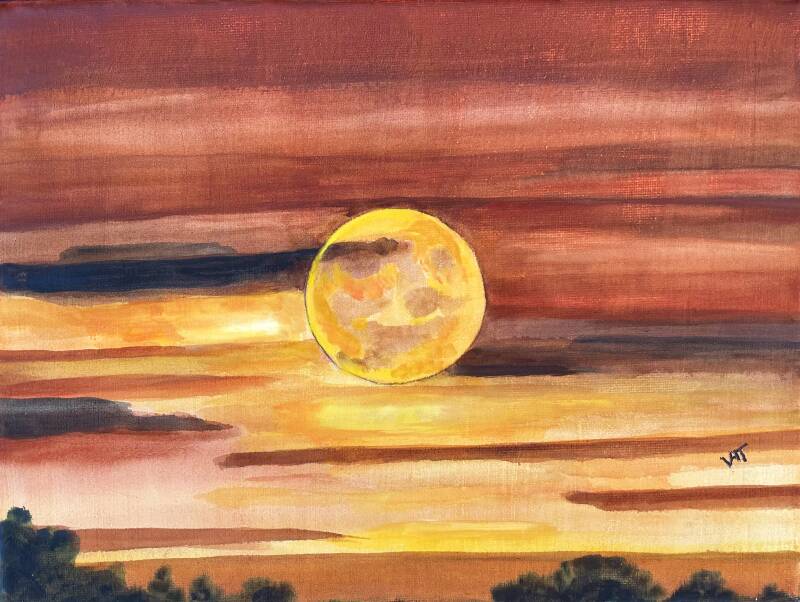
Spooky Moon by Virginia

Still Life by Charles watercolor

Surf 'n' Foam by Charles watercolor
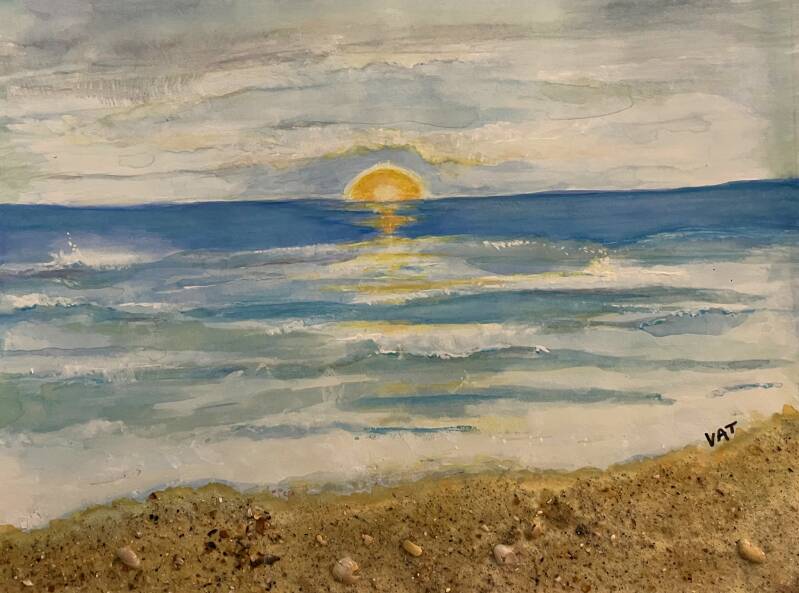
Surf 'n' Sunset by Virginia
3-D effect with real sand & stones
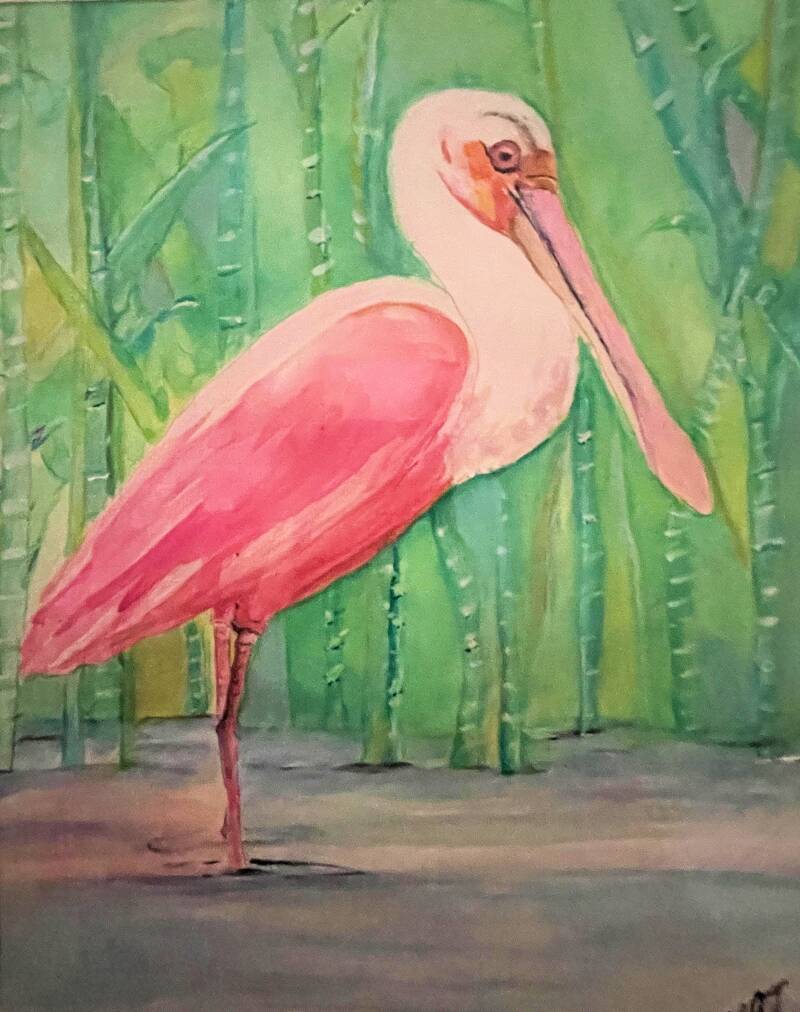
Spoonbill by Virginia watercolor

Tropical Bird by Virginia watercolor

Tropical Cove by Virginia A. Trahan 12x10 watercolor
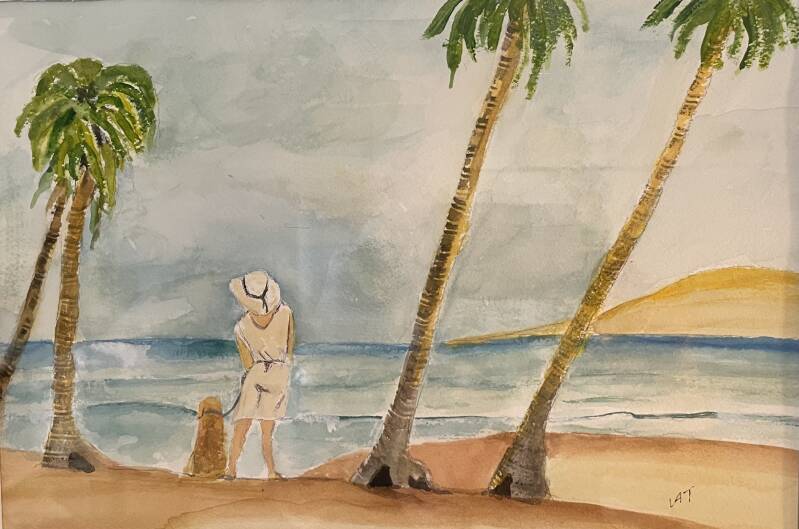
Woman on Beach with Dog by Virginia 14x10 watercolor

Vase by Charles watercolor
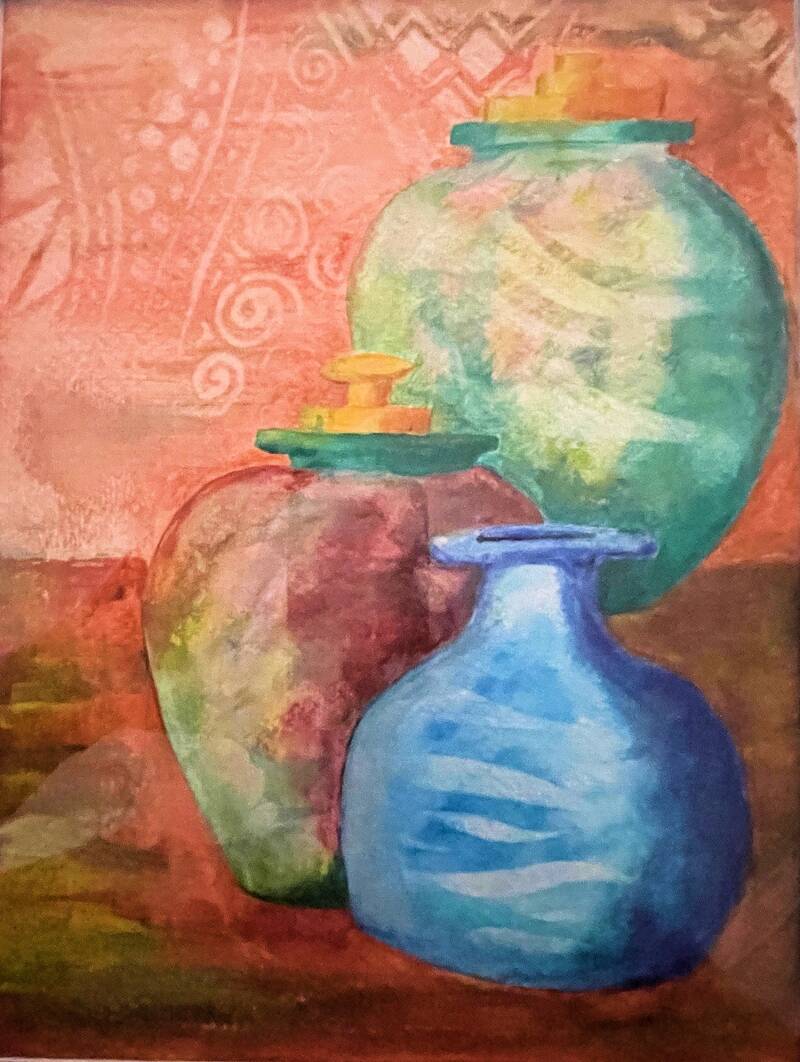
Vases by Charles watercolor

Wine Bottle by Virginia watercolor
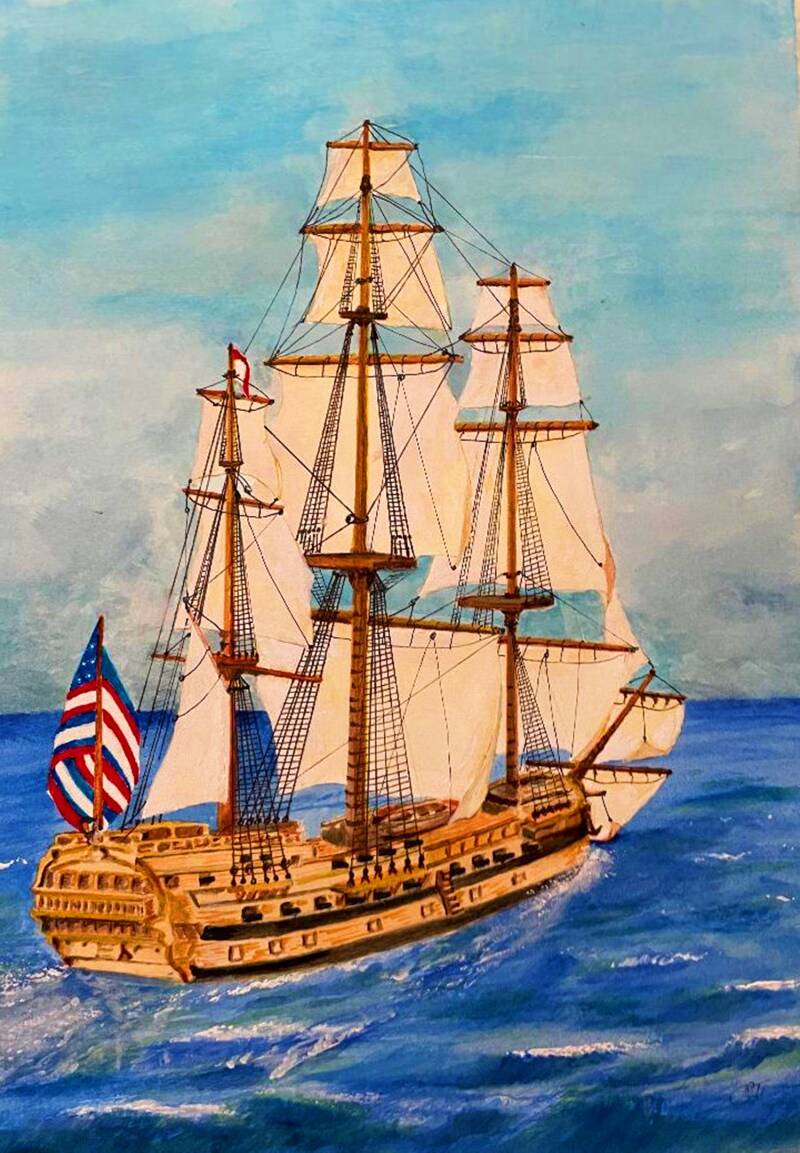
USS Bonhomme Richard by Charles watercolor
Bonhomme Richard (Frigate) 1779
(Frigate: tonnage 998; length 152'; beam 40'; depth 19'; complement 375; armament 28 12-pounder smoothbores, 6 18-pounder smoothbores, 6 9-pounder smoothbores). Duc de Duras, a French merchant vessel built in 1766 by the French East India Company (La Compagnie des Indes), spent the first 13 years of her life uneventfully, ferrying cargo between Paris and the East Indies. During the American Revolution, Louis XVI, King of France, bought the Indiaman from Monsieur Berard and gave it to Capt. John Paul Jones of the Continental Navy for use against Britain. Jones renamed her in honor of Benjamin Franklin, his friend and patron. Franklin’s famous work, Poor Richard’s Almanac, had become a bestseller in France under the title Les Maximes du Bonhomme Richard. The naval ensign shown at the stern is correct for the period.

Sea Oats by Virginia watercolor

Villa by the Sea by Virginia 13x11 watercolor

Spoonbill in Tree by Charles 9x12 watercolor

Sea Turtle by Virginia 20x16 watercolor

Rabbit by Virginia 12x12 watercolor

Happy Goose by Virginia 9x12 watercolor
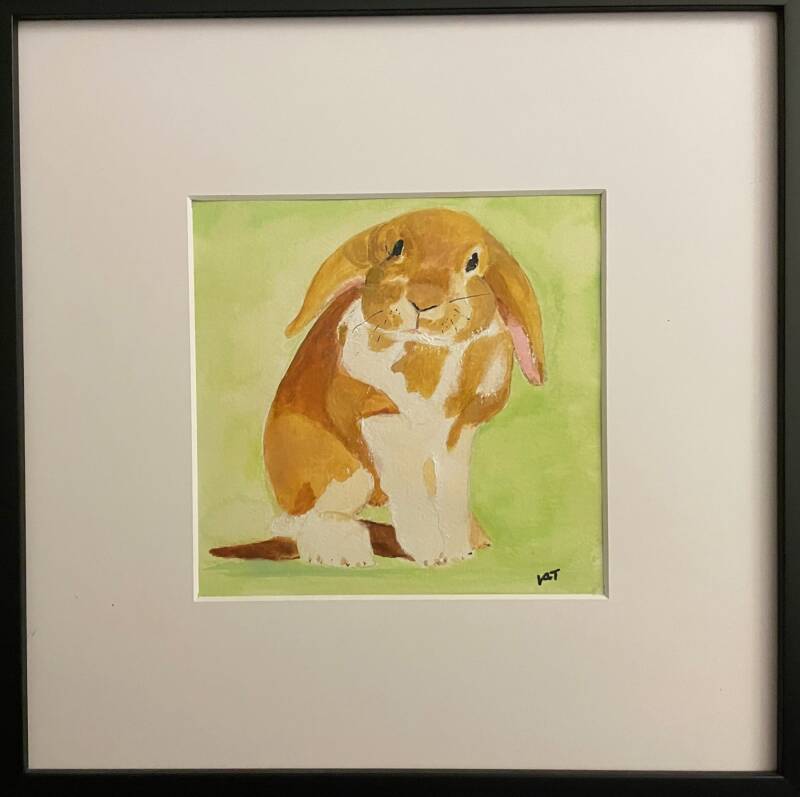
Baby Bugs by Virginia 13x13 watercolor
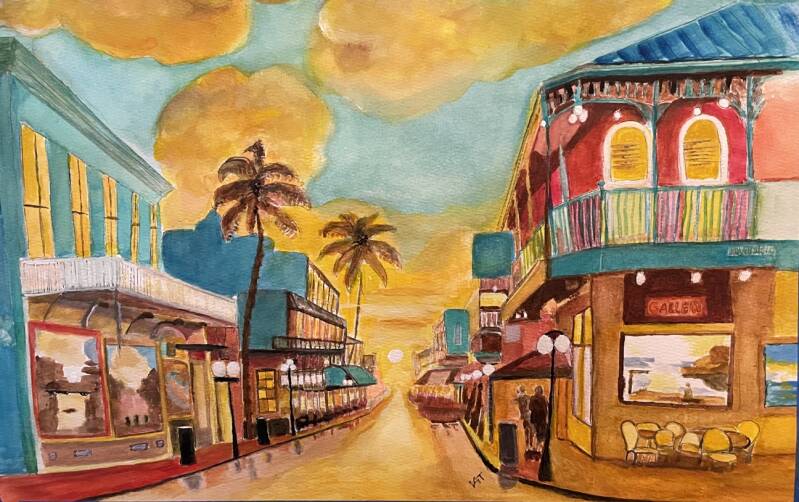
Duval Street, Key West by Virginia 18x12 watercolor
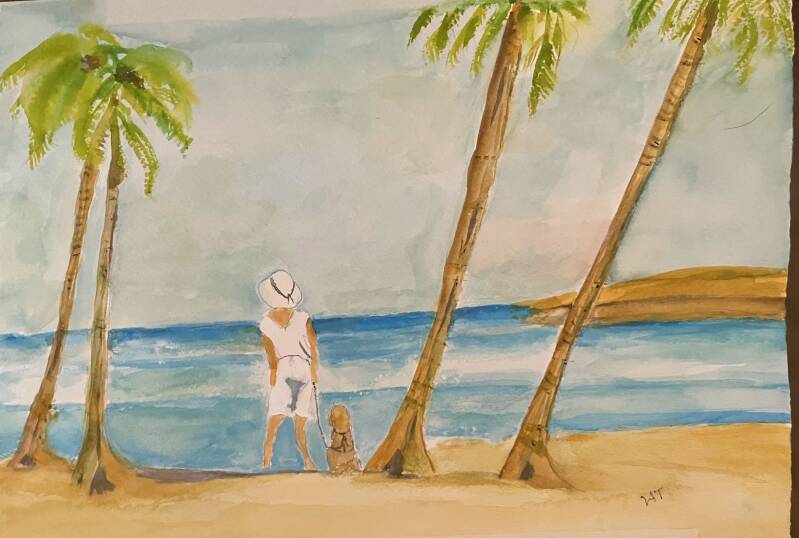
Woman with Dog on Beach by Virginia 14x10 watercolor

Country Cottage by Virginia 16x11 watercolor

Ambush at Twelve Mile Swamp (St. Augustine) by Virginia 24x18 acrylic
Twelve-Mile Swamp, named for its distance from St. Augustine, is a forbidding area of cypress bogs and palmetto thickets. Through this wilderness on the evening of 11 September 1812, passed a column of 20 Marines and Georgia militiamen, led by Marine Captain John Williams, a 47-year-old Virginian. His mission was to escort a pair of supply wagons from the main camp of the Patriot Army near St. Augustine to the blockhouse on Davis Creek, about 22 miles. Williams and his detachment had come to East Florida to join an expedition intent on annexing the Spanish province, out of fears that the British would use Florida as an advance base for an invasion, and that escaped slaves would inspire insurrection in the southern states. The Marines were uneasy as they eyed the surrounding thickets. Bands of armed Seminole Indians and runaway slaves were active in the area. Anxious to reach Davis Creek before sunset, they hurried the supply wagons through the swamp as twilight deepened. Suddenly, the woods along the trail erupted with a blaze of musket fire as a large band of Indians and blacks fired a pointblank volley into the column. Williams, his sergeant, and the lead team of horses are downed by the first shots. Williams' Marines took up defensive positions along the trail and returned fire. The badly wounded Captain Williams watched as Captain Tomlinson Fort took over command, exhorting the troops to continue the fight until the last cartridge. At length, he too was wounded and ordered a retreat further into the swamp. As the fighting ended, the enemy band destroyed one wagon and drove the other off. Part of the detachment made its way to the blockhouse, while Williams hid himself among the palmetto thickets. The next morning, a rescue force found the Marine captain, left arm and right leg broken, and his right arm, left leg, and abdomen pierced by musket fire. Searching further, they found six more wounded in the brush, in addition to Williams' sergeant, stripped and scalped. “You may expect,” Williams wrote four days later, “that I am in a dreadful situation, tho' I yet hope I shall recover in a few months.” Williams died on 29 September. The ambush in Twelve-Mile Swamp and Marine Captain John Williams' subsequent death brought an end to an ill-conceived American scheme to annex Spanish East Florida by force.
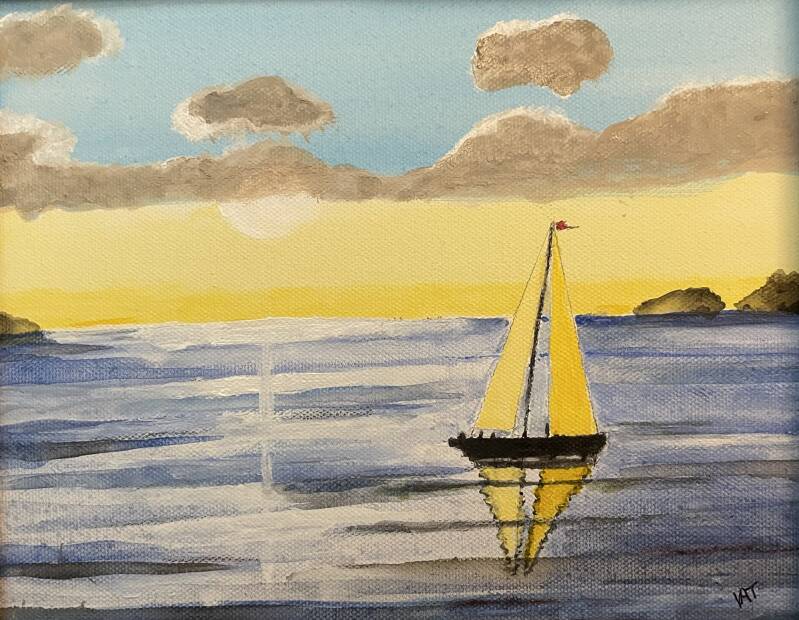
Smooth Sailing by Virginia 11x9 acrylic
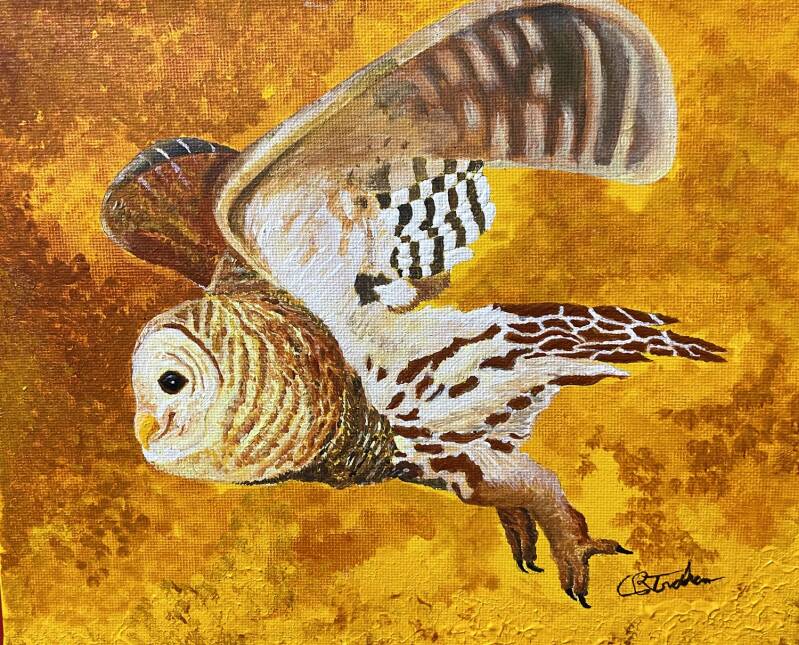
Barred Owl Charles 10x8 acrylic
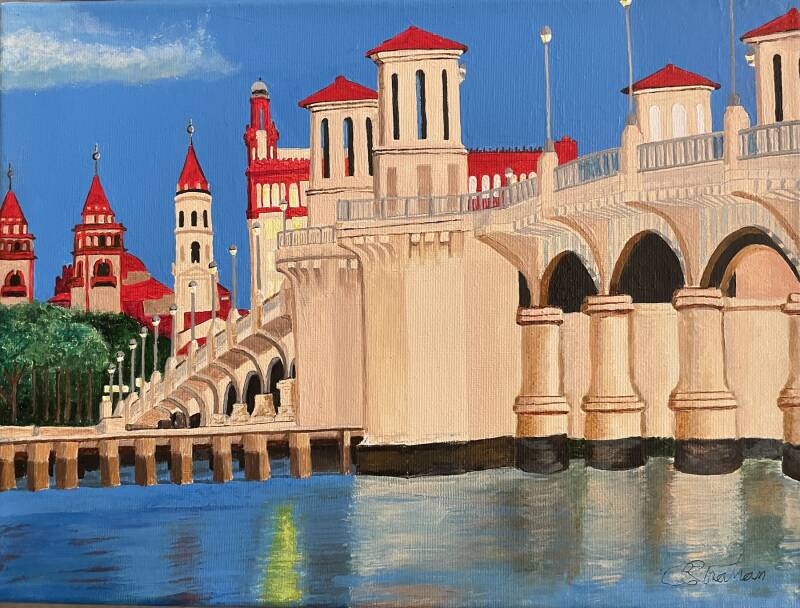
Bridge of Lions by Charles 12x9 acrylic
The Bridge of Lions spans the Intracoastal Waterway in St. Augustine, FL. It connects St. Augustine to Anastasia Island across Matanzas Bay. It was declared "structurally deficient and functionally obsolete" in 1999. A restoration plan was approved costing an estimated $77M, and projected to require five years to complete. Prior to the Bridge of Lions in 1925, there was a wooden bridge called, "The Bridge to Anastasia Island". It was built in 1895. After a major renovation in 1904 it could accommodate a trolley, but had no movable opening for ship traffic, and charged a toll for transit. The old bridge frequently broke down. Henry Rodenbaugh, the "Father of the Bridge of Lions", organized the construction of the new bridge. It was designed not merely to carry cars, but to be a work of art. Now it is one of Florida’s greatest landmarks. From its earliest days, it was hailed as "The Most Beautiful Bridge in Dixie." It has long been a symbol of the nation's oldest city. It gets its name from two marble Medici lions statues that are copies of those found in the Loggia dei Lanzi in Florence, Italy. The Medici lions are also known for the copies placed in the Throne Room of the Royal Palace of Madrid.
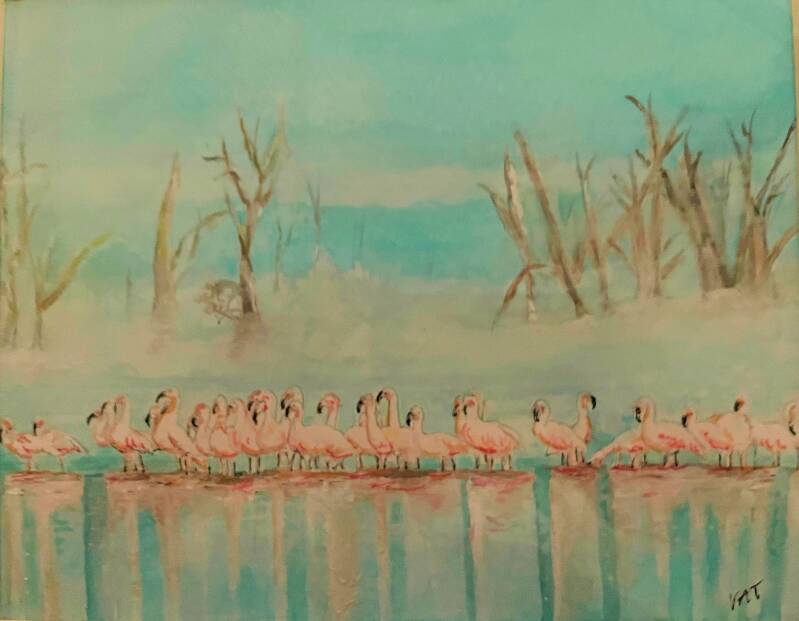
Flamingos in the Mist by Virginia 13x10 watercolor
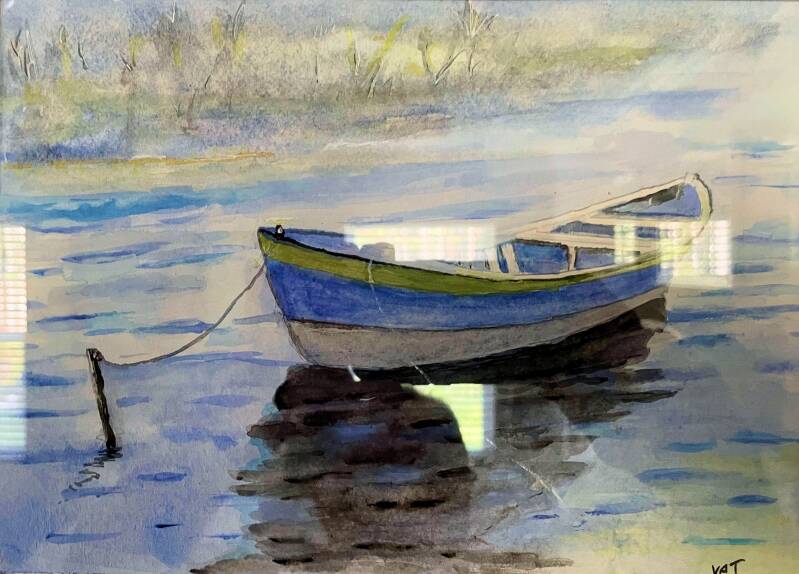
Rowboat by Virginia watercolor UNAVAILABLE
Create Your Own Website With Webador